Remodeling Services: Expert Remodeling Services
Best Remodeling Contractor: Overhaul Your Home With Expert Design and Quality Craftsmanship
Home remodeling can greatly enhance both aesthetics and functionality. A highly-regarded remodeling contractor plays a crucial role in this makeover. Their knowledge combines creative planning with skilled workmanship, ensuring that each project meets the homeowner's vision. However, not all contractors are the same. Understanding the key qualities and processes involved is vital for a successful outcome. What should homeowners think about when beginning this journey?
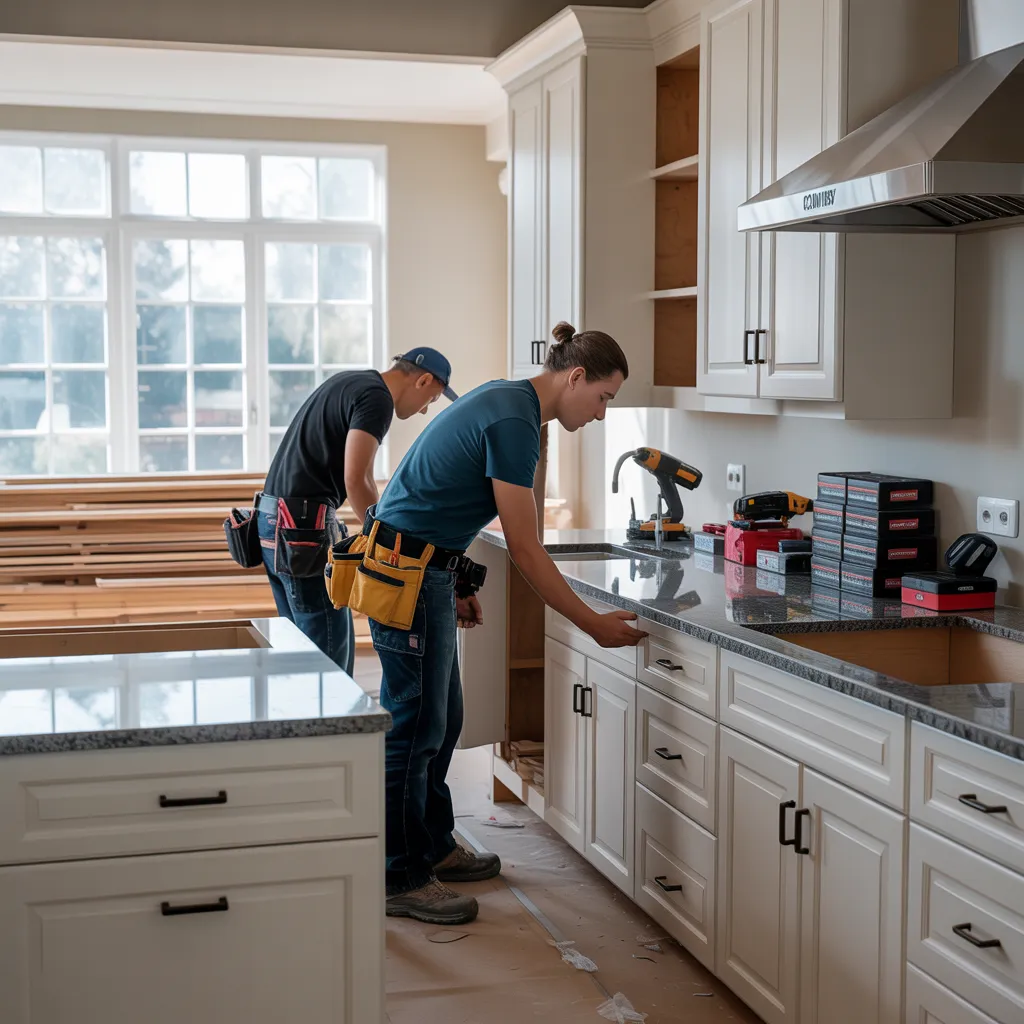
The Criticality of Working with a Top-Rated Remodeling Contractor
When commencing a remodeling project, the choice to hire a highly-regarded professional can significantly impact the outcome. A skilled professional has the knowledge and experience required to manage the complexities of home renovations. They can offer important guidance into design decisions, materials, and schedules, guaranteeing that the work complies with the homeowner's vision and financial plan.
Excellent service professionals generally present positive reviews and a comprehensive portfolio, showcasing their former projects and client satisfaction. This reputation can instill trust in homeowners, reducing unease stemming from major renovations. In addition, a reputable contractor will likely have proven connections with suppliers and subcontractors, which can deliver better pricing and quality of materials.
Ultimately, engaging a top-rated remodeling contractor not only enhances the potential for a productive project but also establishes a teamwork dynamic where innovation and originality thrive, resulting in a transformed home that captures the homeowner's visions.
Must-Have Strengths to Examine in a Home Improvement Contractor
Locating the ideal renovation specialist extends past merely reviewing reviews and portfolios; it requires determining specific qualities that ensure a successful partnership. Initially, a reputable contractor should have excellent interpersonal abilities, guaranteeing that they can clearly articulate ideas and understand client needs. Next, experience in the specific type of remodeling project needed is essential, as it indicates a proven track record of quality work. Additionally, a skilled professional should be properly certified and learn more covered, providing peace of mind regarding risk protection and security. Reliability is yet another essential characteristic; a contractor should adhere to timelines and budgets, reducing unexpected delays. Ultimately, a strong collection displaying varied finished work demonstrates an ability to adapt to various styles and client preferences. By focusing on these attributes, homeowners can choose wisely when hiring a remodeling contractor, eventually leading to a positive residential renovation.
Common Renovation Endeavors to Evaluate
Homeowners often consider an extensive range of alternatives when deliberating on home improvement projects, each offering exceptional advantages and improvements. Kitchen renovations stand among the most popular projects, which can markedly boost utility and design appeal. Revamping countertops, cabinets, and appliances not only modernizes the space but also adds monetary value to the home.
Bathroom upgrades are yet another favored option, creating a haven for rest and personal care. Homeowners frequently select modern fixtures, refined tiling, and enhanced floor plans to improve comfort.
In addition, basement completion has picked up momentum as a means to expand living space, building multifunctional spaces for entertainment and home offices.
Exterior enhancements, such as deck installations or landscaping, also continue in demand, allowing homeowners to maximize their outdoor satisfaction. Each of these projects not only transforms the living environment but can also yield a substantial return on investment.
The Design Journey: Partnering With Your Project Manager
The design process in remodeling involves a vital collaboration between the homeowner and the contractor. During the preliminary meeting, ideas and visions are put forward, setting the groundwork for the project. After this, design iterations transpire, enabling adjustments and conclusively leading to approval before the build phase starts.
Opening Consultation Meeting
How does an opening consultation session set the stage for a successful remodel? This critical opening move permits homeowners and contractors to establish a common understanding of the objectives and vision for the project. During this consultation, clients convey their ideas, needs, and budget, while contractors examine the space and share perspective on feasibility. Effective communication is critical, as it fosters trust and collaboration between both entities. Contractors may also present samples of prior projects, extending inspiration and highlighting their expertise. By tackling any concerns and discussing schedules, the initial consultation lays the groundwork for a productive relationship. Ultimately, this meeting is vital for coordinating objectives and ensuring that the renovation work commences on a solid foundation.
Design Development and Authorization
As the design process moves forward, collaboration between homeowners and contractors becomes necessary for refining the project vision. This phase values effective communication, allowing both parties to share ideas, preferences, and concerns. Contractors share initial design concepts based on the homeowner's input, which initiates iterative revisions. Each design iteration serves as a basis toward the final layout, including feedback and making necessary adjustments. Homeowners should feel motivated to express their thoughts, ensuring the design meets their aspirations. Approval of the final design marks a pivotal milestone, solidifying the project blueprint. This collaborative approach fosters a sense of ownership and satisfaction, paving the way for successful implementation and ultimately transforming the home into a personalized living space.
Understanding the Expenses of Home Remodeling
Understanding the monetary costs associated with home renovation is vital for any homeowner embarking on a project. Financial planning effectively requires not only accounting for the primary expenses but also recognizing hidden charges that may surface during the renovation process. Awareness of these financial factors can help assure a easier and more successful remodeling experience.
Setting up a budget for Your initiative
Budgeting for a home remodeling project calls for meticulous assessment of various costs involved. Homeowners should initiate by clarifying the breadth of the project, which will markedly influence the total budget. Key expenses generally include materials, labor, permits, and design fees. It is essential to research and obtain quotes from several contractors to pin down a realistic estimate. In addition, homeowners should contemplate whether they will carry out any of the work themselves, which can cut labor costs. Establishing a contingency fund is also prudent, as it accommodates for unforeseen expenses that may surface during the renovation process. By deliberately analyzing these factors, homeowners can create a comprehensive budget that aligns with their financial capabilities and project goals.
Concealed Costs to Consider
While homeowners often focus on the significant costs of a renovation undertaking, they may overlook numerous concealed expenses that can substantially affect the overall budget. These costs can encompass permits and inspections, which vary by location and project type. Unexpected building problems, such as deterioration or obsolete electrical systems, may also occur throughout remodeling work, necessitating additional funds. Homeowners should also account for the costs of temporary housing if the undertaking demands extensive work. In addition, design changes throughout the project can result in higher costs, as can the choice of premium finishes. Finally, post-remodeling costs, such as new furnishings or yard work, can additionally strain the finances. Awareness of these concealed costs is essential for sound budget management.
Best Practices for a Successful Home Upgrade Experience
A successful home renovation process is built on thorough planning and effective communication. Homeowners should start by setting a reasonable budget and timeline, anticipating potential delays and unexpected costs. Working with a reputable remodeling contractor is important; they bring proficiency and can offer insights that conserve time and money.
Householders should also formulate a detailed design strategy, including materials and finishes, to ensure a cohesive vision. Frequent meetings with the contractor support alignment on progress and handle any concerns in a timely manner. Communication should remain open and proactive, promoting a collaborative atmosphere.
Additionally, it's wise to prepare for interruptions by establishing a short-term living space, especially for bigger projects. In the end, patience is key; renovations can be stressful, but a positive mindset will contribute to a seamless process and satisfaction with the final outcome. By following these tips, homeowners can enhance their renovation experience and accomplish their desired results.
Commonly Asked Questions
How Much Time Does a Typical Remodeling Project Take to Finish?
A standard renovation undertaking can take anywhere from a few weeks to several months to complete. Factors affecting the timeframe comprise project size, intricacy, and the efficiency of the contractor and trades involved.
What Varieties of Coverage Do Home Remodeling Contractors Give?
Home improvement contractors typically extend warranties on workmanship, products, and appliances. These warranties can span from one year to a lifetime, depending on the contractor and specific project details, providing reassurance to homeowners regarding performance and strength.
What's the Right Way to Verify a Contractor's Qualifications and Insurance?
To validate a contractor's credentials and coverage, one can check state licensing boards and online databases. Additionally, requesting copies of insurance policies directly from the contractor confirms coverage is valid and fulfills required standards.
What May I Do if I'm Unhappy With the Work?
Should dissatisfaction occur, the homeowner must initially relay complaints directly to the contractor. Note problems, examine the contract, and work toward friendly settlement. If remaining unresolved, explore mediation or contacting local regulatory authorities for additional support.
Do Financing Options Available for Home Remodeling Projects?
Many construction specialists offer assorted credit solutions, consisting of personal loans, home equity lines of credit, and payment plans. Residents should explore available choices to find a solution that works with their spending limits and construction requirements productively.